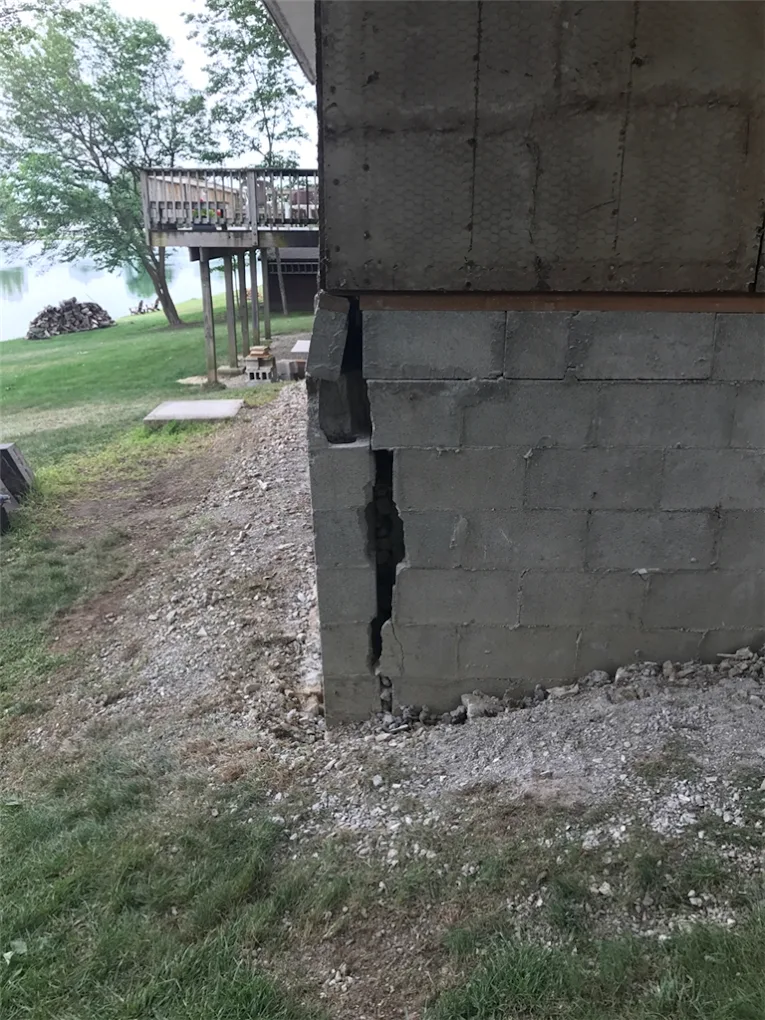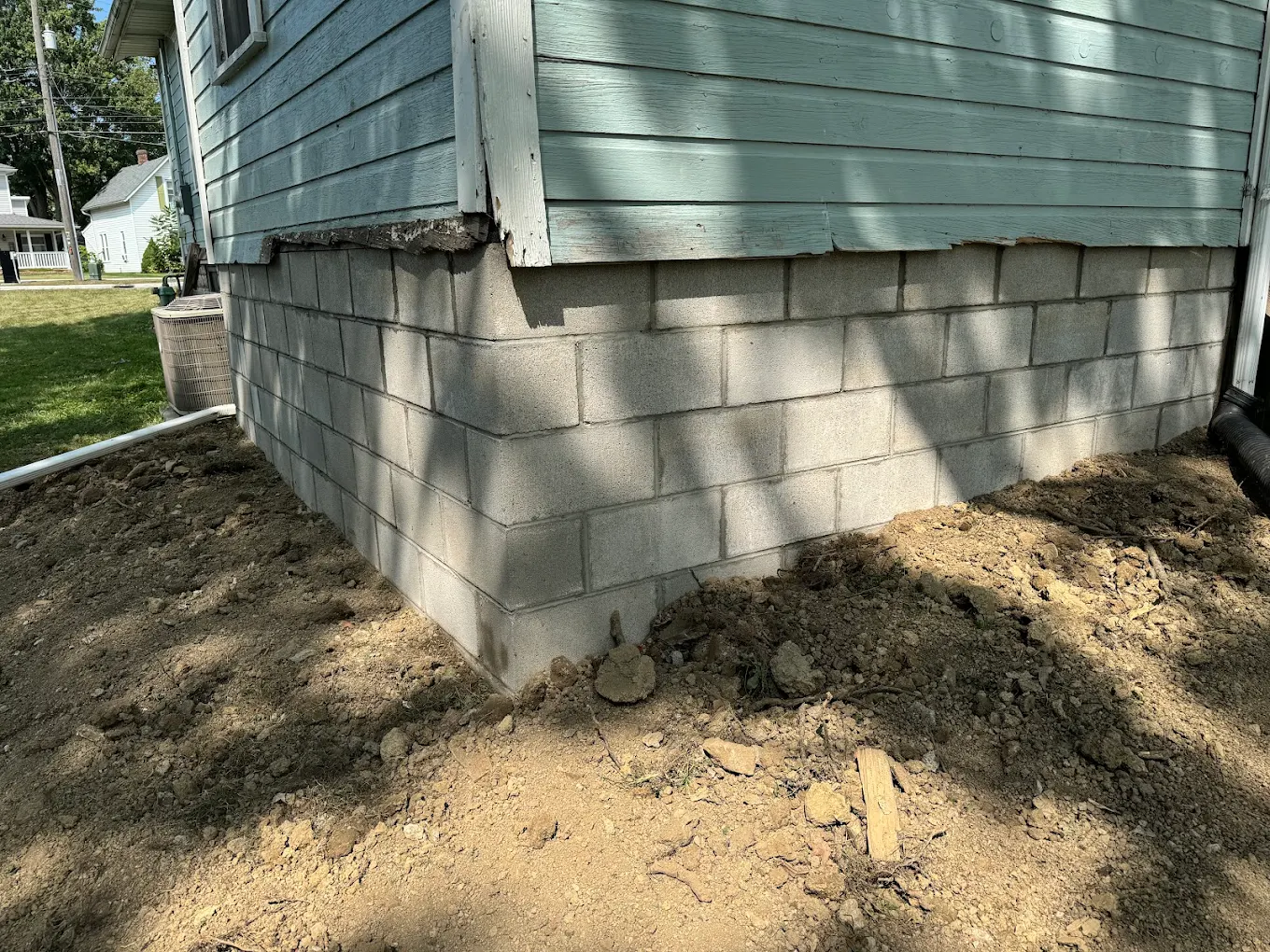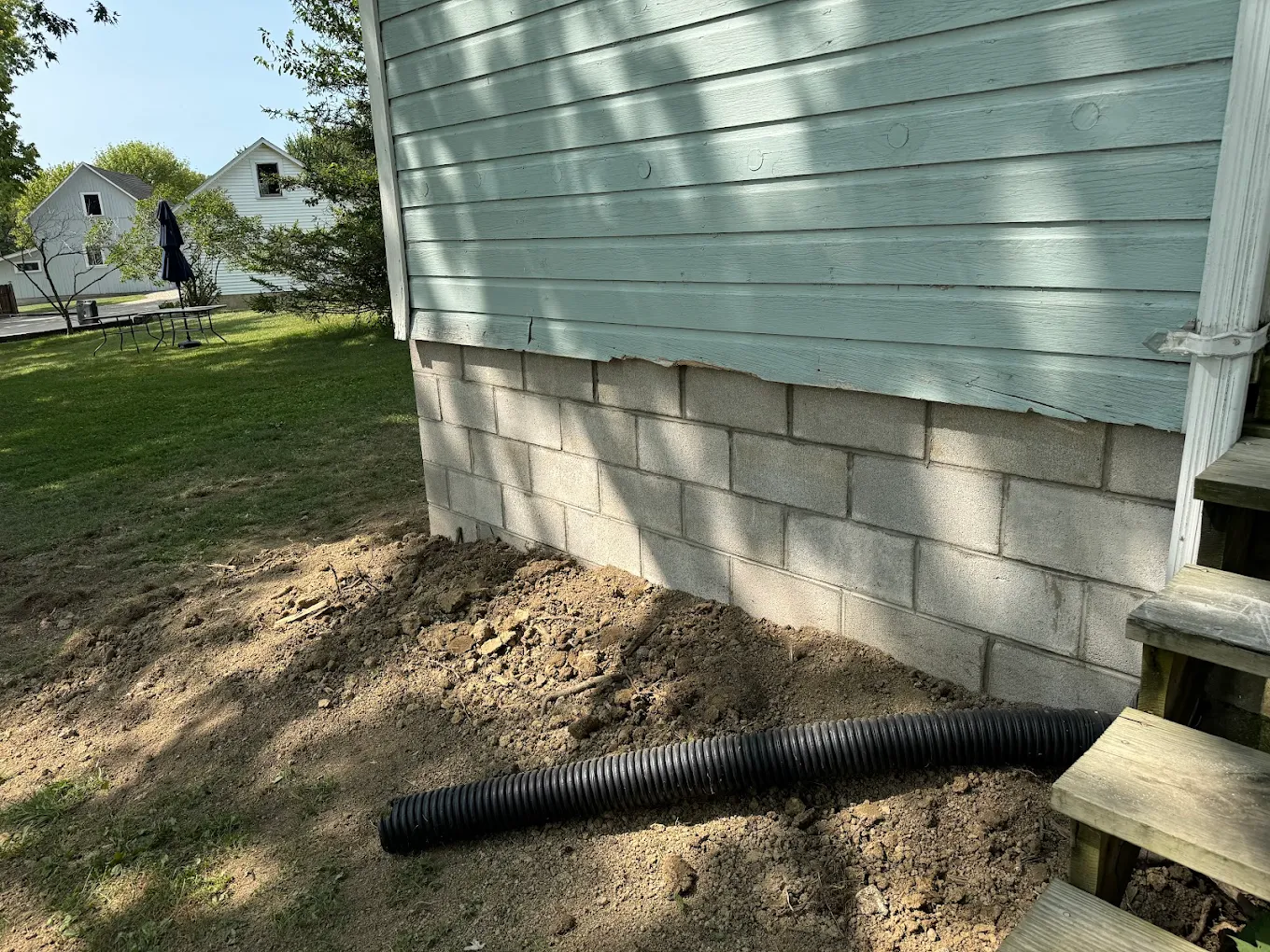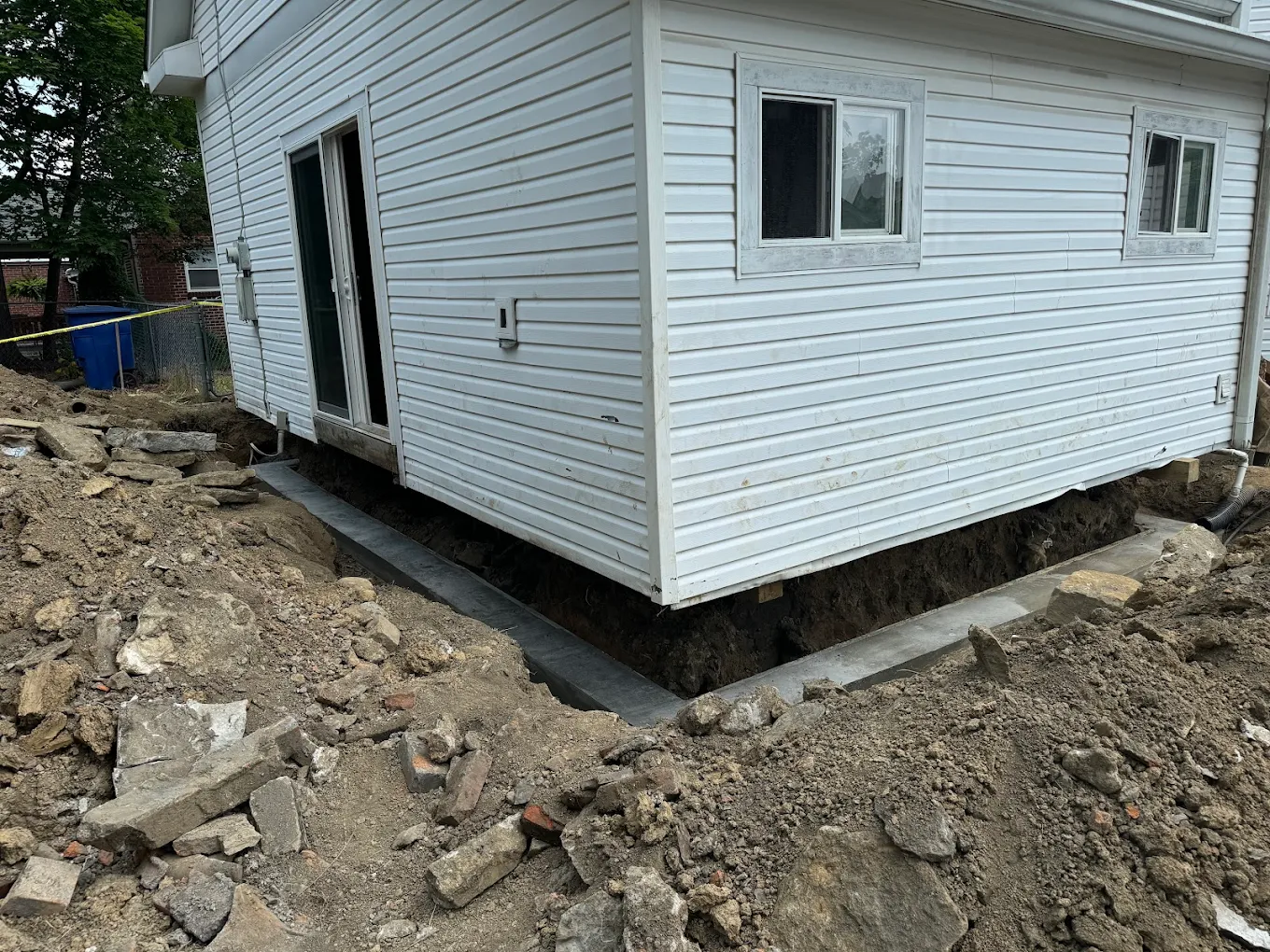
Expert interior & exterior waterproofing systems built for your foundation — block, poured, brick, or stone.
 Locally Owned
 Lifetime Warranty
 5-Star Rated in Ohio, Columbus
Choosing the correct solution for basement waterproofing can drastically affect the health and longevity of your home. Waterproofing systems are also essential for peace of mind and insurance against future water issues before finishing your basement or below-ground space. Certain foundations, such as brick or stone, are best for exterior systems, and others are better for interior footer drain systems such as block or poured wall foundations. It is important to understand that when building the system that is best for your home, we look at every aspect of your home’s layout, building materials, age, and site conditions. Water is mitigated best when using a combination of inside and outside solutions.
Reality: Waterproof paint or sealant (like Drylok) may temporarily reduce minor seepage or hide water staining, but it won’t stop water under pressure or groundwater seepage. Eventually, hydrostatic pressure can cause the paint to blister, peel, or crack, and water will find a way through. It can also expedite the deterioration of block, mortar, or concrete when used improperly, without relieving the water issue behind it.
True Fix: You need to relieve water pressure with proper drainage — not just block it at the surface.
Reality: Improper grading or missing downspout gutters are major sources of water problems. Even the best interior system will be overwhelmed if water is constantly dumped next to the foundation.
True Fix: Start with proper exterior water management:
Reality: Exterior waterproofing is ideal for brick or stone foundations or new construction, but it can be…
True Fix: For poured concrete or block foundations, interior systems with sump pumps are often more cost-effective and reliable. The best solution depends on the foundation type and condition.
Reality: Every basement is unique.
True Fix: There’s no one-size-fits-all. The best waterproofing approach is custom-tailored after a full inspection and diagnosis.
Reality: Not all cracks leak. Hairline cracks are often normal from curing or settling. Only actively moving or leaking cracks need to be addressed.
True Fix: Reinforce or fill cracks only when necessary. Don’t panic over every crack.
Reality: Mold can grow anywhere there’s humidity above 60% — even if the basement is technically “dry.” Condensation and minor seepage are enough.
True Fix: Use a dehumidifier, seal leaks, and manage humidity to keep the environment safe and dry. Especially in a crawlspace area.

(Poured and Block Foundations – Modern Day Construction)
An interior footer drain system with a sump pump solves water problems at their root, is easier to maintain, less expensive, and more effective long-term — making it the best waterproofing method for most homes, especially where persistent groundwater is an issue. If you’re dealing with water intrusion in your basement, this system is often the most practical, reliable, and cost-effective solution.
Here’s WHY interior systems are considered the best solution in many cases:
Addresses Water at the Source — Below the Slab
Water that enters a basement typically comes from hydrostatic pressure — when groundwater builds up around and beneath your foundation. An interior drain system intercepts this water at the footer and under the cove joint before it has a chance to rise and seep through the floor or walls.
Works Independently of Outside Conditions
Exterior waterproofing systems can be affected by:
An interior system is installed inside the foundation, so it’s unaffected by outside elements. It offers greater long-term reliability and is easier to inspect and maintain.
Collects Water from Multiple Sources
An interior system can collect:
Because the drainage tile is installed around the interior perimeter of the basement, it captures water from nearly every entry point.
Integrated with a Sump Pump for Active Removal
Water collected in the drainage system is pitched and/or directed to a sump basin or pit, where a sump pump actively removes it from the home by discharging it away from the foundation. This combination of passive collection and active ejection ensures that water doesn’t accumulate or create pressure against the foundation walls or floor.
Less Invasive and Less Expensive than Exterior Systems
Compared to exterior waterproofing (which requires digging around the entire house), an interior system:
Lower Maintenance Over Time
Most modern interior drain systems use perforated pipe surrounded by gravel, reducing the chances of clogging. And since the sump pump is accessible from inside, it’s easier to inspect and service as needed.
We do not shy away from exterior systems, unlike many other waterproofing companies. We have the experience and equipment to waterproof stone and brick foundations, preserving them for decades in the future. An exterior footer drain system with damp proofing is often considered the best solution for brick and stone foundations due to the unique vulnerabilities of these materials and the way moisture affects them over time.
Here’s WHY its considered best for brick and stone foundations:
Brick and Stone Are Porous and Mortar Is Vulnerable
Exterior damp proofing stops water before it contacts the foundation wall, protecting both the materials and mortar joints from moisture infiltration. These systems will often still utilize a sump pump to actively move water up and out of the basement or crawlspace.
Avoids Freeze-Thaw Damage
Allows for Structural Repairs and Wall Sealing During Installation
When an exterior system is installed, we have access to the full wall and can:
These steps are essential to preserving old or fragile foundations, and they’re only possible from the outside.
Restores Natural Drainage Similar to Original Construction
Older homes with brick or stone foundations often had original exterior drains… that have since failed or clogged.
Installing a modern exterior footer drain with gravel and perforated pipe restores this natural drainage system, keeping groundwater moving away from the foundation. Brick and stone foundations need to stay dry to avoid serious deterioration.
An exterior footer drain system with damp proofing is the best way to keep water away from these materials entirely, rather than letting moisture in and managing it afterward. If your home has a brick or stone foundation, investing in an exterior system is not just about waterproofing — it’s about protecting the structural integrity of your home for the long term.

Transferrable warranty on all waterproofing systems for lasting peace of mind.

Local, licensed, insured — trusted by homeowners across Columbus, Ohio.

We install both methods — including exterior systems for brick & stone.
EXCELLENTTrustindex verifies that the original source of the review is Google. This company was recommended to me, and I have to say this was the most professional, and thorough company with the entire project that I have ever worked with. I had crawlspace drainage issues, as well as a sinking wall issue. They triple checked what needed to be done, and completed the work efficiently and correctly. I was provided updates and pictures of the work. There was also a follow up from the owner and project manager. The water and wall issues have been corrected. Pricing was fair. I am very pleased and encourage you to use this company.Posted on GoogleTrustindex verifies that the original source of the review is Google. I had an amazing experience with this company!! John’s customer service was top-notch and the product exceeded my expectations. I 10/10 recommend this company.Posted on GoogleTrustindex verifies that the original source of the review is Google. We’ve been working with Spartan for the past few years, and it has been an absolute pleasure. The company is well-organized, professional, and consistently demonstrates excellent communication and people skills. I would highly recommend their services to anyone.Posted on GoogleTrustindex verifies that the original source of the review is Google. Spartan put in a french drain a short while ago. During the last windstorm one of my trees uprooted and took a portion of the drain with it. I called Spartan and they came out quickly, found the portion that had been displaced, made sure it was uninjured and put it back. The water hasn't been pooling against my house since the drain went in and I'm very happy with it and Spartan's service.Posted on GoogleTrustindex verifies that the original source of the review is Google. Great company! Outstanding group of guys. Dave, John, Zach, Atilio. Top notch!! Great workmanship at an affordable price. Have used Spartan on multiple jobs and will continue to use them in the future!Posted on GoogleTrustindex verifies that the original source of the review is Google. Spartan wall repair and Joe did a fantastic job. When I called and explained I had an interior wall that needed repair they came out the next day. After they looked at it we got the repair scheduled and I couldn’t be happier. I would highly recommend them to anyone who needs wall or basement repair.Posted on GoogleTrustindex verifies that the original source of the review is Google. Good clean professional work. John was my rep very personal to his customersPosted on GoogleTrustindex verifies that the original source of the review is Google. We are new home owners and unfortunately realized a month in that our crawl space was in terrible shape with an improperly done and incomplete encapsulation. John came out and inspected and gave a very honest, straightforward, and professional opinion on what was needed to get things corrected. This was in stark contrast to the other companies that gave estimates. It was clear that Spartan Wall Repair cares about this work and focuses on getting things done right without the manipulative salesperson tactics and extortion-level prices. We soon after had them back out to install drainage lines for our downspouts. Both jobs were done quickly and efficiently with a crew of 2-3 people. We are impressed and happy with their work and would recommend them to anyone in need of their services.Posted on GoogleTrustindex verifies that the original source of the review is Google. Spartan did a great job. John wrote us a quote to repair/sister joists that were damaged from termites. He came and provide a quote and answered my questions without some crazy pushy sales pitch and AI graphics (I’m looking at you basement doctor). Not only that but I had probably 1 million more questions after he left and John was always obliged to talk things through. Zach and Atilio repaired our floor joists and they did so in a timely manner with intent and quality. They were professional and friendly and cleaned up well after leaving. There was a small scope of the work that was missed but when I brought it up Zach had a quick run to the store and back and took care of it in no time. I also had the pleasure of speaking with Dave while making my final payment and he seemed like an honest and genuine guy. If I have any other basement needs in the future they will be my first call. I also hope that anyone out there who needs some work done gives them a shot! Sometimes it can bring a lot of comfort to go with the company that’s been around for 20+ years but it comes at a steep price. I had 4 other quotes done and Spartan had the best price and tbh the most comprehensive quote out of them all. Last but not least, I paid to have about X amount of joists repaired and they added support to a few more. Not sure if they had extra material or what but I think it is really great that they added that on (cost free to me). Super happy with the work, Thanks guys!Posted on GoogleTrustindex verifies that the original source of the review is Google. Zach's team did a wonderful job without foundation repair. The communication was on point and customer service at the top of their priorities. The team returned to clean up an area that they forgot. Totally unexpected. Would recommend again.
No-pressure visit to diagnose moisture & structure.
Assess soil, materials, age, and site conditions.
Interior, exterior, or hybrid solution for your home.
Clean, efficient, and code-compliant work.
System verification plus lifetime coverage.