

Foundation settlement is one of the most common—and most misunderstood—structural issues homeowners face in Columbus, OH. While some settling is normal over time, excessive or uneven settlement can lead to serious structural damage if left unaddressed. Knowing the warning signs early can help you avoid costly repairs and protect the long-term stability of your home.
What Is Foundation Settlement?
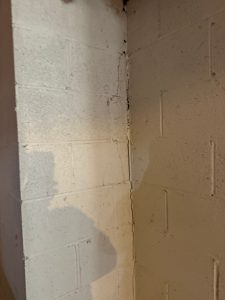
Foundation settlement occurs when the soil beneath your home shifts or compresses, causing parts of the structure to sink or move unevenly. In many Columbus homes, this is influenced by clay-rich soil that expands when wet and shrinks when dry. Over time, this cycle creates instability beneath your foundation.
There are two main types of settlement:
- Uniform settlement: The entire home settles evenly and typically does not cause structural problems.
- Differential settlement: One part of the home settles more than another, leading to stress, cracks, and structural damage.
Common Warning Signs of Foundation Settlement
Recognizing early signs of settlement is critical. Many issues start small but worsen over time. Watch for the following:
- Cracks in walls or ceilings: Especially diagonal or stair-step cracks in drywall or brick
- Uneven or sloping floors: Floors that feel tilted or sagging in certain areas
- Doors and windows sticking: Frames become misaligned as the structure shifts
- Gaps around doors or windows: Visible separation between frames and walls
- Separation of walls from floors or ceilings: A clear sign of movement within the structure
If you notice more than one of these symptoms, it’s a strong indication that your foundation may be under stress.
What Causes Foundation Settlement in Columbus Homes?
Several local factors contribute to foundation settlement in the Columbus area:
- Expansive clay soil: Absorbs water and swells, then shrinks during dry periods
- Poor soil compaction: Loose soil beneath the foundation can compress over time
- Water drainage issues: Excess moisture weakens the soil supporting your home
- Seasonal weather changes: Freeze-thaw cycles and heavy rainfall increase soil movement
These conditions create a constant push-and-pull effect beneath your foundation, leading to gradual or sudden settlement.
Repair Solutions for Foundation Settlement
The right repair method depends on the severity of the settlement and the condition of the soil beneath your home. Common solutions include:
Piering Systems
Steel or helical piers are installed deep into stable soil or bedrock beneath your home. These systems stabilize the foundation and can sometimes lift it back toward its original position.
Slab Stabilization
For homes with concrete slab foundations, specialized materials can be injected beneath the slab to fill voids and restore support.
Drainage Corrections
Addressing water issues is often part of the solution. Improving drainage helps prevent further soil movement and protects your foundation long-term.
A professional inspection will determine the best combination of solutions for your specific situation.
How Long Can You Wait Before Fixing Settlement?
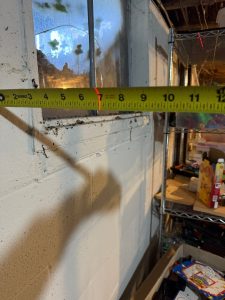
This is one of the most important questions homeowners ask—and the answer depends on the severity of the problem. Minor settlement may progress slowly, but once structural symptoms appear, delays can lead to significantly higher repair costs.
As settlement worsens, it can:
- Increase the size and number of cracks
- Cause further structural misalignment
- Lead to water intrusion issues
- Reduce your home’s value
Early intervention is always more cost-effective than waiting until the damage becomes severe.
Protect Your Home Before Settlement Gets Worse
Foundation settlement doesn’t fix itself—and ignoring the warning signs can lead to more serious and expensive problems. The sooner you identify and address the issue, the better your chances of minimizing damage and repair costs.
Schedule a free foundation inspection today to determine whether your home is at risk and get a clear plan for protecting your investment. Taking action now can save you time, money, and stress in the future.
Frequently Asked Questions
Is foundation settlement dangerous?
It can be. While minor settling is normal, significant or uneven settlement can compromise your home’s structural integrity if not addressed.
Can a house collapse from foundation settlement?
Complete collapse is rare, but severe settlement can lead to major structural damage that makes a home unsafe over time.
How do you fix foundation settlement?
Most settlement issues are corrected using pier systems or stabilization methods that reinforce the foundation and prevent further movement.
