
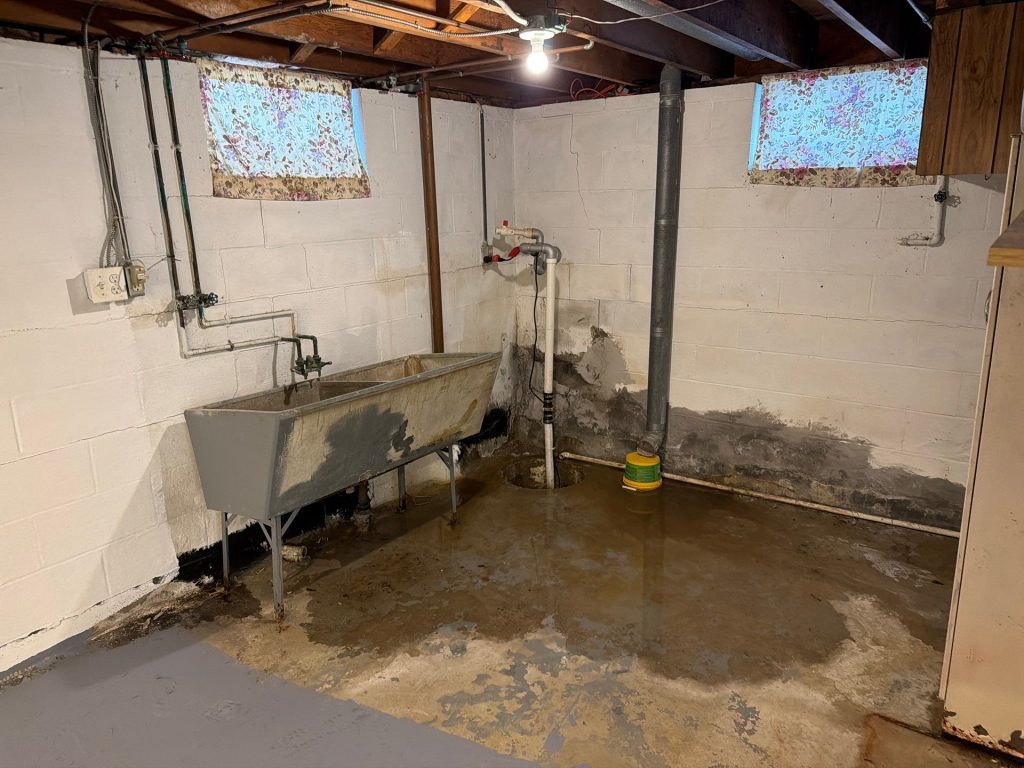
In Central Ohio, a functional sump pump is often the only line of defense between a dry basement and a catastrophic flood. During the intense thunderstorms that frequently roll through Columbus, your pump can move hundreds of gallons of water per hour to protect your foundation. However, like any mechanical “soldier,” these systems eventually wear out or fail under pressure. At Spartan Wall Repair & Waterproofing, we take a disciplined, mission-ready approach to home maintenance. This guide outlines the critical failure signs you need to recognize before the next Columbus storm makes landfall.
5 Warning Signs Your Sump Pump Is About to Give Up
Most homeowners don’t think about their sump pump until they hear the sound of splashing water in their basement. By then, it’s often too late. Recognizing these tactical warning signs can save you thousands in restoration costs:
- Strange Noises: If your pump starts making loud thumping, grinding, or rattling sounds, it likely has a jammed impeller or a failing motor bearing. A “quiet” pump is a healthy pump.
- Vibrating Excessively: A pump that vibrates violently when running has likely sucked in debris or has a bent impeller. This imbalance will quickly burn out the motor.
- Long Cycle Times: Does your pump seem to run forever even after the rain has stopped? This indicates that the pump is underpowered for the volume of water it’s handling or that the internal components are losing their efficiency.
- Irregular Cycling: If the pump turns on and off every few seconds (short-cycling), there may be an issue with the float switch or a faulty check valve allowing water to flow back into the basin.
- Visible Rust or Corrosion: Because they live in water, pumps are prone to corrosion. If you see white “chalky” deposits or rusted metal on the pump body, the internal seals are likely compromised.

Why Single-Pump Systems Are a Risk in Central Ohio
In military operations, redundancy is a requirement, not an option. We believe the same should apply to your home’s defense. Relying on a single sump pump is a high-risk strategy for two primary reasons:
Mechanical Failure
Mechanical devices fail at the moment of highest stress. In foundation repair, that means your pump is most likely to quit when it’s raining the hardest and working the most. If a single pump fails, your basement begins to fill immediately.
Power Outages
Columbus storms often bring down power lines. If your home loses electricity, a standard sump pump becomes a useless piece of plastic and metal. Without a battery backup system, your basement is completely vulnerable until the grid is restored.
The “Smart” Defense: WiFi Alerts and Battery Backups
To ensure your home is “mission-ready,” Spartan recommends a multi-layered defense system. Modern technology has revolutionized how we protect basements from flooding.
Battery Backup Systems: We install secondary pumps that operate on a dedicated deep-cycle battery. If the main pump fails or the power goes out, the backup kicks in automatically, providing hours of protection during a storm.
WiFi-Enabled Sensors: Smart home integration now allows your sump pump to talk to you. We can install systems that send a direct alert to your smartphone if the water level in the basin rises too high or if the power is cut. This “early warning system” allows you to take action before a single drop of water hits your floor.
Maintaining Your Line of Defense: Seasonal Sump Tips
A disciplined maintenance schedule is the best way to extend the life of your system. Every spring and fall, homeowners should perform a “test fire.” Pour a five-gallon bucket of water into the basin to ensure the float switch activates and the pump discharges water quickly. Additionally, check the discharge line outside your home to ensure it isn’t clogged with mulch, leaves, or ice.
The Spartan Difference: Owner-Led Inspections
At Spartan Wall Repair & Waterproofing, we don’t believe in high-pressure sales. We believe in high-level expertise. When you book a sump pump health check, the owner of the company performs the inspection. We analyze your basin size, pump capacity, and discharge route with the precision of a USMC veteran. We provide a clear mission plan to keep your basement dry, backed by our commitment to honesty and integrity.
Frequently Asked Questions
How long do sump pumps typically last?
Most high-quality sump pumps have a lifespan of 7 to 10 years. However, in areas with high water tables or frequent heavy rain, they may need replacement sooner. If your pump is over 10 years old, it is statistically likely to fail soon.
Should I get a battery backup?
Yes. In Central Ohio, power outages and heavy rain go hand-in-hand. A battery backup is the only way to ensure your basement remains protected when the lights go out.
Can I replace a sump pump myself?
While DIY kits exist, professional installation ensures that the check valve is properly tensioned, the discharge lines are clear, and the pump is scaled correctly for your basement’s specific water volume. A professional installation by Spartan also comes with the peace of mind of a professional warranty.
