
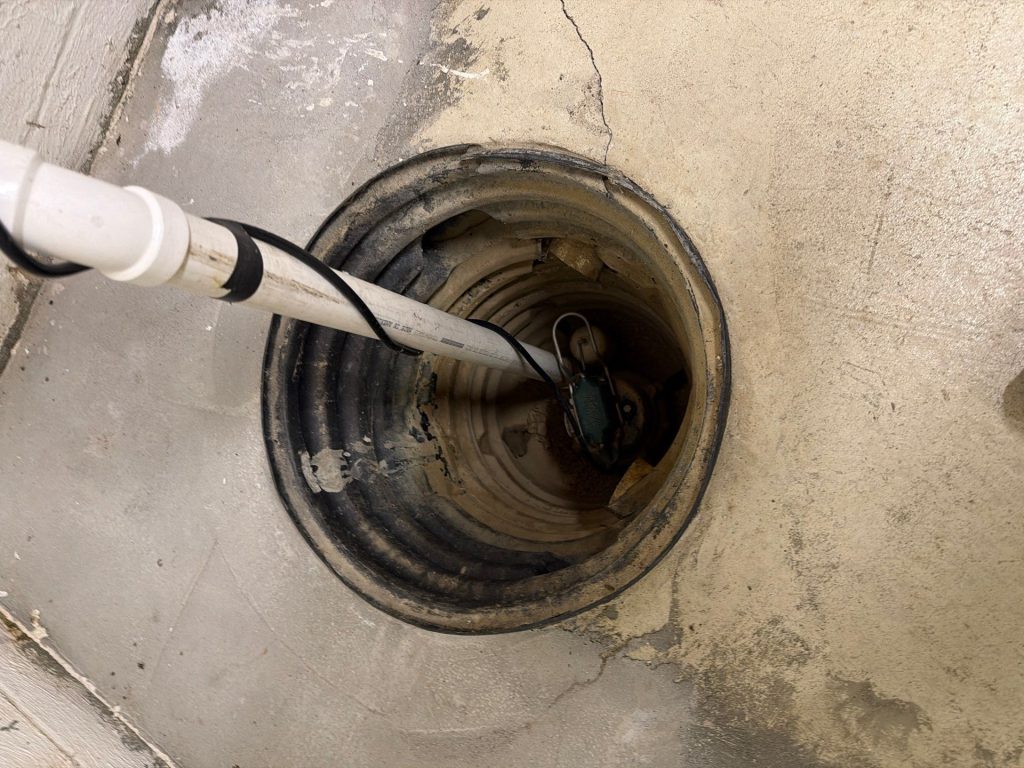
There is no worse feeling for a homeowner than waking up in the middle of a severe midnight thunderstorm, walking down the basement stairs, and stepping directly into two inches of freezing cold, murky water. In a matter of minutes, a single mechanical failure can ruin thousands of dollars in finished drywall, flooring, mechanical systems, and irreplaceable family keepsakes.
Your sump pump is your home’s first line of defense against groundwater flooding. Yet, because it sits tucked away in a dark plastic pit in the corner of your basement, it is entirely easy to ignore—until it stops working. To protect your home equity, you need to treat your water mitigation system like a critical piece of defensive machinery. That means knowing exactly how long your pump is built to last, identifying the early warning signs of failure, and replacing it before the skies open up.
At Spartan Wall Repair & Waterproofing, we evaluate basement water management systems with Marine Corps precision. Led by owner-operator and USMC veteran David J. Wirtz, we don’t believe in corporate franchise markups or high-pressure upselling. We provide straightforward, flat-rate property protection solutions designed to keep your home permanently dry.

The Life Expectancy of a Sump Pump: The 7-to-10 Year Rule
Like any mechanical device equipped with an electric motor and moving parts, a sump pump has a finite operational lifespan. As a general rule of thumb, a high-quality, professionally installed sump pump should be replaced every 7 to 10 years.
However, this timeline isn’t set in stone. The actual lifespan of your pump depends heavily on its operational frequency. In certain low-lying neighborhoods across Columbus, Powell, and Delaware County, where water tables are naturally high, a sump pump might cycle on and off multiple times an hour, all year round. In those high-demand environments, a pump may burn through its mechanical runtime and require replacement closer to the 5-year mark. Conversely, if your pump only runs during heavy spring melts, it might push toward a decade of service.
Material quality also dictates longevity. Cheap, plastic retail pumps purchased at big-box stores degrade quickly under thermal stress and constant submersion. At Spartan, we install heavy-duty cast-iron submersible pumps. Cast iron naturally dissipates heat away from the internal motor windings, extending the operating life of the machine far beyond flimsy plastic alternatives.
5 Warning Signs Your Sump Pump Is Getting Ready to Fail
You shouldn’t wait for your basement floor to flood to determine if your pump is operational. Keep a vigilant eye out for these five common physical indicators of an impending mechanical breakdown:
- Unusual Rattling, Grinding, or Humming Noises: Excessive noise usually indicates a damaged or bent impeller blade or failing motor bearings that are locked up.
- Continuous, Non-Stop Running: If your pump runs constantly without shutting off, the mechanical float switch may be stuck in the “on” position, or the pump lacks the horsepower required to push the water up and out of the discharge pipe.
- Frequent On-and-Off Cycling: Rapid cycling usually points to an improperly sized sump pit basin, a malfunctioning check valve allowing pumped water to drain right back into the pit, or a misadjusted float.
- Visible Rust or Mineral Scaling: Persistent exposure to iron ochre and local groundwater minerals can corrode the exterior housing and weld joints, leading to internal electrical shorts.
- The System Takes Too Long to Empty the Basin: If the pump is spinning but the water level in the pit drops at a crawl during a rainstorm, the motor is failing or the intake screen is heavily clogged with silt and debris.
The Absolute Necessity of a Battery Backup System
Even a brand-new, commercial-grade sump pump has a critical point of vulnerability: it requires electricity to operate. The most violent rainstorms in Central Ohio are routinely accompanied by lightning strikes, high winds, and localized power grid blackouts. If the electricity goes down, your main sump pump goes down with it exactly when groundwater tables are peaking.
The only way to achieve true structural peace of mind is to install a secondary battery backup sump pump directly alongside your primary unit. A professional backup system monitors your electrical outlet. The moment a power outage occurs—or if your primary pump suffers a mechanical failure—a heavy-duty marine battery instantly kicks on, keeping a secondary pump running for hours to discharge thousands of gallons of water safely away from your home.
Frequently Asked Questions About Sump Pump Maintenance
How do I test my sump pump to ensure it works?
Testing your system is simple. Slowly pour a five-gallon bucket of water directly into your sump pit basin. The water level should rise, lifting the mechanical float switch. The pump should trigger automatically, evacuate the water quickly, and shut itself off cleanly within seconds.
Why does my sump pit smell like rotten eggs?
A foul, rotten egg smell indicates stagnant water or a buildup of natural sulfur and iron bacteria in the bottom of the basin. You can combat this by flushing the pit with clean water and pouring a mixture of warm water and household white vinegar into the basin to neutralize the bacteria.
What is the purpose of the check valve on a sump line?
The check valve is a one-way mechanical valve installed on the vertical discharge pipe. It prevents the water left in the pipe from falling right back down into the sump pit once the pump turns off, preventing the pump from running twice for the same water.
Don’t Wait for a Flooded Basement to Test Your Defense
Proactive maintenance is significantly cheaper than post-flood remediation. Ensure your home is protected with a heavy-duty cast iron pump and a smart battery backup system installed with disciplined field precision. Contact USMC Veteran-owned Spartan Wall Repair & Waterproofing at 614-368-7612 or email office@spartanwallrepair.com for a direct, flat-rate installation quote from our owner today.
