
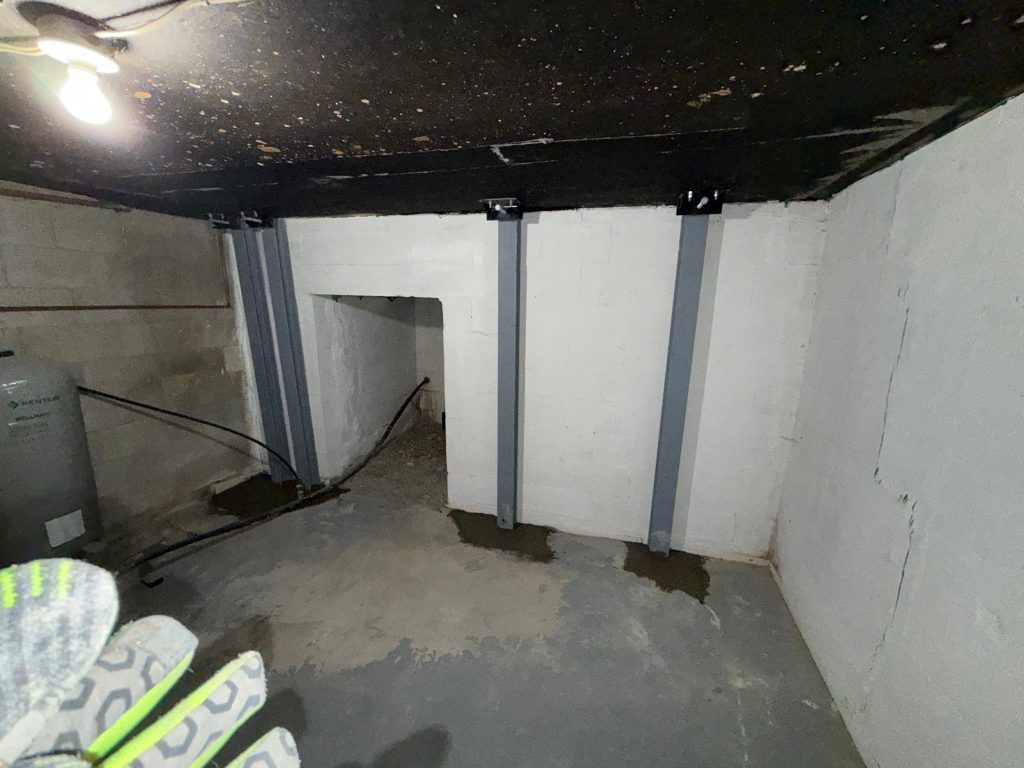
The historic homes dotting Marion and Richwood, Ohio, are architectural treasures, boasting craftsmanship and character that modern builds simply cannot replicate. However, the foundational footprint supporting these older structures presents a unique set of engineering challenges. Unlike modern poured concrete basements, historic foundations rely on modular masonry—such as fieldstone, hand-laid brick, or early rusticated concrete blocks—held together by historical mortar mixtures. Over generations, environmental exposure and soil mechanics can degrade these components, requiring highly specialized structural restoration techniques.
The Chemistry of Historic Masonry vs. Modern Materials
The most common and catastrophic mistake made by modern contractors when repairing an older foundation is applying modern structural repair products to historic materials. Preserving a century-old masonry wall requires respecting the original materials used during construction.
The Dangers of Using Portland Cement on Soft Brick and Stone
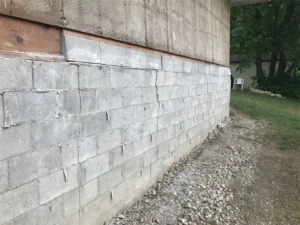
Prior to the mid-twentieth century, foundations in Central Ohio were built using lime-based mortar, which is inherently soft, flexible, and vapor-permeable. Modern mortar mixes contain high percentages of Portland cement, which cures into a dense, rigid stone. If a contractor uses modern Portland cement to tuckpoint a historic lime-mortar foundation, it creates an absolute structural mismatch. Because the new mortar is significantly harder than the vintage, soft clay bricks or porous stone, seasonal shifting forces the bricks themselves to compress, crack, and break away—a destructive process known as spalling.
Ensuring Porosity and Vapor Permeability for Moisture Management
Historic walls were designed to breathe. Soft lime mortars act as a sacrificial element, allowing moisture from the surrounding earth to wick through the joints and evaporate safely into the basement air. When rigid, non-porous modern sealants or cement coatings trap that moisture inside the wall, the trapped water undergoes freeze-thaw cycles during harsh Ohio winters. This internal ice expansion rapidly delaminates the historic masonry face, destroying its load-bearing capacity.
⚠️ Historic Integrity Warning: Standard modern foundation techniques like high-pressure crystalline waterproofing coatings can cause permanent structural damage to historic soft-fired brick and fieldstone.
Identifying Structural Hazards in Older Marion & Richwood Homes
Historic foundation issues require early detection to avoid catastrophic structural failure or settling of the entire upper frame.
- Mortar Deterioration and Powdering: If the mortar between your foundation stones or bricks easily crumbles into fine powder at the touch of a finger, it has lost its structural binding capacity.
- Inward Wall Bulging or Bowing: Over time, the shifting soil pressures characteristic of the Marion and Richwood regions can cause modular stone walls to lean inward or bulge along the center courses.
- Settlement Cracks in Exterior Brickwork: Large diagonal cracks climbing up your home’s exterior brick facade often point directly to an active failure or shifting down in the stone foundation below.
Veteran-Grade Restoration Protocols for Vintage Foundations
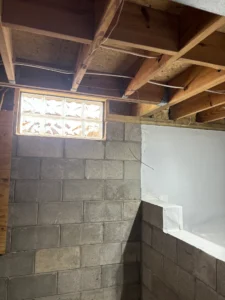
As a veteran-owned structural firm, we approach historic preservation with meticulous attention to detail, utilizing techniques that respect historical engineering while providing permanent structural stabilization.
Custom Lime Mortar Re-Pointing and Masonry Re-building
To repair failing joints safely, our team carefully removes degraded mortar using precise hand tools to protect the surrounding brick or stone. We then formulate a historically accurate, customized lime-based mortar mix that matches the structural flexibility and vapor-permeability of the original wall, ensuring the foundation can breathe and flex naturally for another century.
Interior Support Helical Systems and Carbon Fiber Anchoring
When a historic wall suffers from severe lateral displacement or structural bowing, we install low-profile interior support systems. Using custom-machined steel brackets and high-tensile carbon fiber grid straps, we tie the modular stone masonry directly into the home’s primary floor joists. This halts further shifting without changing the historic exterior look of the home or sacrificing interior basement space.
Frequently Asked Questions
Q: Why is my historic stone foundation shedding white powder?
A: This white powder is called efflorescence. It occurs when groundwater seeps through porous stone or brick, dissolves internal minerals, and leaves salt deposits behind on the wall surface as the water evaporates.
Q: Can a crumbling fieldstone foundation be saved without replacing it entirely?
A: Yes. In most instances, structural stone walls can be stabilized through deep mortar joint restoration, structural stone replacement, and targeted interior support systems, avoiding the massive expense of a full foundation replacement.
Q: How long do historic lime-mortar repairs typically last?
A: When completed correctly using appropriate historic formulations and proper site drainage control, high-quality lime-mortar restoration work easily lasts 50 to 70 years.
Protect Your Historic Investment
Preserving an older home requires a deep understanding of historical architecture and engineering. Do not trust your home’s historic foundation to standard, mass-market repair methods. Contact Spartan Wall Repair & Waterproofing today to schedule a specialized historical masonry consultation in Marion or Richwood and protect your home with veteran-grade precision.
