
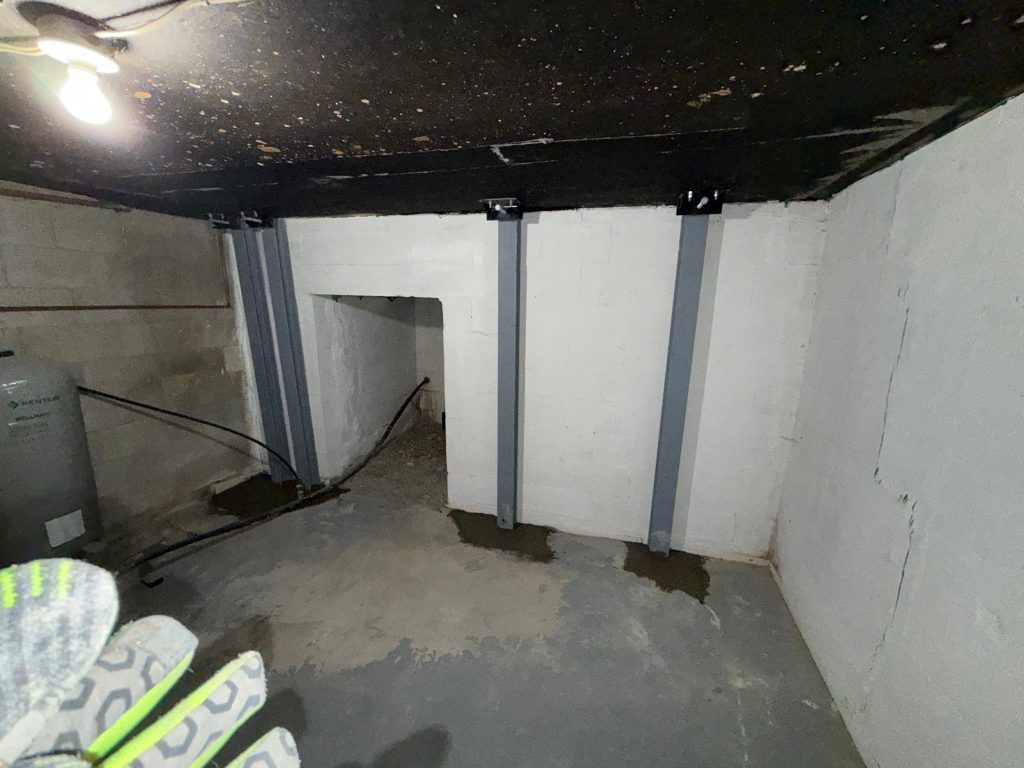
In Central Ohio, we are no strangers to the “Polar Vortex” or the sudden 50-degree spikes in February. While these temperature swings make choosing a jacket difficult, they are doing something much more sinister to your home’s foundation. The transition between freezing and thawing—a process known as the freeze-thaw cycle—is one of the most destructive forces in nature, capable of turning a hairline crack into a structural nightmare in a single season.
At Spartan Wall Repair & Waterproofing, we see a massive influx of calls every spring. Homeowners often think their foundation “suddenly” failed during a rainstorm, but the damage was actually done months earlier during the winter. Understanding this cycle is the key to protecting your home from costly structural repairs.
The Science of Frost Heave and Ice Expansion
To understand why your foundation is at risk, you have to understand the unique properties of water. Most substances contract when they freeze; water is one of the few that expands—by approximately 9% in volume. In the heavy clay soils of Columbus and Delaware, OH, this expansion has nowhere to go but against your basement walls.
1. The Saturation Phase
During a winter thaw or a rainy January day, water seeps into the soil surrounding your foundation. Because Ohio clay holds onto moisture so tightly, the ground becomes “hydrostatically charged.” This water also finds its way into any existing tiny fissures or pores in your concrete blocks or poured walls.
2. The Expansion Phase (The Freeze)
When the temperature drops back below 32°F, that trapped water turns to ice. As it expands, it acts like a hydraulic jack. Inside a tiny crack, the force of expanding ice can reach upwards of 30,000 PSI—far more than the strength of your concrete. This force physically pushes the walls of the crack further apart.
3. The Thaw Phase (The Void)
When the ice melts, it leaves behind a larger gap than existed before. This newly widened crack now allows more water to enter during the next thaw, which then freezes and expands even further. This “ratcheting” effect continues all winter long, incrementally weakening your home’s skeletal structure.
Why “Buckeye Clay” Makes It Worse
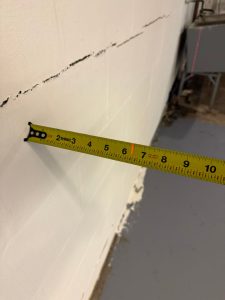
Not all soil is created equal. Sandy soils allow water to drain away, but Central Ohio Clay is expansive. This soil doesn’t just hold water; it grows when wet. When you combine the natural expansion of freezing water with the mechanical expansion of wet clay, you have a “perfect storm” for foundation failure. This is why we see so many “stair-step” cracks in block walls throughout the Columbus metro area; the soil is literally lifting and pushing the blocks out of alignment.
3 Signs Your Foundation Suffered Winter Damage
As the snow melts, perform a “reconnaissance mission” around your basement and exterior. Look for these red flags:
- New Vertical or Diagonal Cracks: Check the corners of your basement and near the top of the wall. If a crack looks “fresh” (white or gray without dust buildup), it happened recently.
- Interior Drywall Cracks: Shifts in the foundation often manifest as cracks above door frames or windows on the first floor.
- The “Spring Leak”: If you see water seeping through a wall that was dry last fall, the freeze-thaw cycle has likely created a new path for groundwater to enter.
The Spartan Defense: Winter Maintenance Tips

You can’t control the weather, but you can control the water. As a veteran-owned company, we advocate for “preventive maintenance” to avoid “emergency repairs.”
- Clear Your Gutters: Overflowing gutters dump hundreds of gallons of water directly against your foundation, fueling the freeze-thaw cycle.
- Extend Downspouts: Ensure water is discharged at least 10 feet away from the house. If your downspouts are broken, the clay will stay saturated all winter.
- Seal Exterior Cracks: Before the deep freeze hits, have a professional seal any exterior cracks to prevent water from entering the “freeze zone.”
Frequently Asked Questions (FAQ)
Can you repair a foundation in the middle of winter?
Absolutely. In fact, winter can be an ideal time for interior structural repairs like Carbon Fiber Straps or Steel I-Beams because the soil is often more stable when frozen, allowing us to secure the wall without dealing with active mud and seepage.
Is a hairline crack a big deal in the winter?
In the summer, a hairline crack might just be cosmetic. In the winter, it is a doorway for water. Because of the expansion of ice, that hairline crack can become a structural gap in a matter of weeks.
Will my foundation settle back into place in the summer?
Rarely. Once a wall has bowed or a crack has widened, the soil often falls into the newly created gaps, preventing the wall from ever returning to its original position without professional intervention.
Don’t Wait for the Spring Flood
The damage done in January often leads to a flooded basement in April. Dave and the Spartan Wall Repair team specialize in identifying winter-related structural damage before it becomes a catastrophe. We offer Free Inspections and Lifetime Transferable Warranties to give you peace of mind through every Ohio season.
Call 614-368-7612 today to schedule your no-obligation foundation check-up.
