
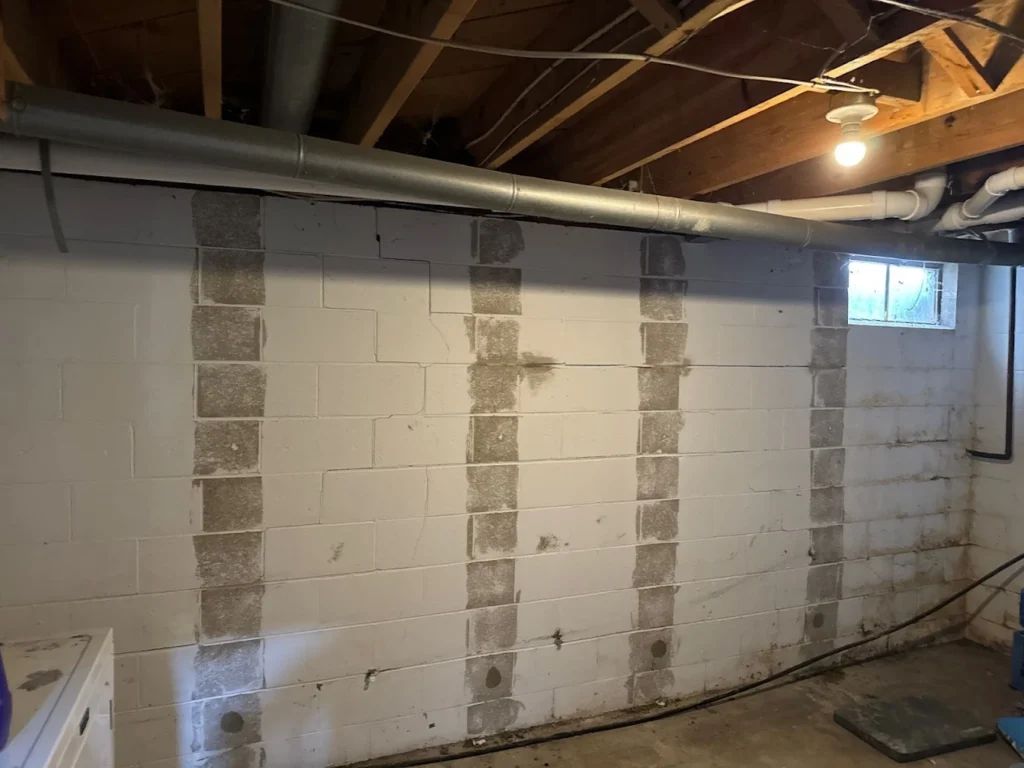
Bowing basement walls are one of the most serious foundation problems a homeowner can face. If you’re seeing walls that are leaning inward, cracking horizontally, or showing signs of pressure, it’s natural to wonder: how much will this cost to fix? In Columbus, OH, repair costs can vary widely depending on the severity of the damage and the solution required. This guide breaks down what you can expect in 2026—and how to make the right decision for your home.
Why Basement Walls Bow (And Why It Gets Worse)
Bowing walls are typically caused by excessive pressure from the soil outside your foundation. In Columbus, clay-heavy soil expands when wet and contracts when dry. After heavy rains, water saturates the soil, increasing pressure against basement walls. Over time, this pressure causes walls to crack and bow inward.
Unfortunately, this problem doesn’t fix itself. The longer it’s left untreated, the worse it becomes. What starts as a small horizontal crack can eventually lead to severe structural instability or even wall failure.
Average Repair Costs by Method
The cost to fix a bowing basement wall depends largely on the repair method used. Here’s a general breakdown of common solutions in the Columbus area:
Carbon Fiber Straps
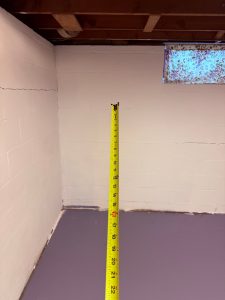
Carbon fiber reinforcement is often used for walls with minor to moderate bowing (typically less than 2 inches). These straps are applied directly to the wall to prevent further movement.
- Estimated Cost: $600 – $1,200 per strap
- Best For: Early-stage bowing
Wall Anchors
Wall anchors are installed by connecting interior wall plates to anchors buried in the soil outside your home. They gradually pull the wall back into place.
- Estimated Cost: $1,000 – $2,500 per anchor
- Best For: Moderate bowing with room for exterior installation
Steel Beam Reinforcement
Steel I-beams are installed vertically along the wall to provide immediate structural support. This is one of the most common solutions for more severe bowing.
- Estimated Cost: $1,500 – $3,500 per beam
- Best For: Significant bowing or structural risk
Factors That Affect Total Cost
Several variables influence how much you’ll pay for repairs:
- Severity of damage: More bowing typically requires more reinforcement
- Wall length: Larger walls need more materials and labor
- Accessibility: Limited access can increase installation difficulty
- Soil conditions: Expansive soils may require additional solutions like drainage systems
- Water issues: If water intrusion is present, waterproofing may be needed alongside structural repair
Because every home is different, a professional inspection is the best way to get an accurate estimate.
Cheapest vs Most Effective Repair Options
It’s tempting to choose the lowest-cost option, but that can lead to bigger expenses later. Carbon fiber straps are more affordable, but they don’t straighten walls—they only stop further movement. Wall anchors and steel beams, while more expensive, offer stronger structural support and long-term stability.
The right solution depends on your specific situation. A minor issue caught early may be fixed affordably, while advanced damage will require a more robust approach.
When Immediate Repair Is Necessary
Not all bowing walls require emergency action—but some do. You should act quickly if you notice:
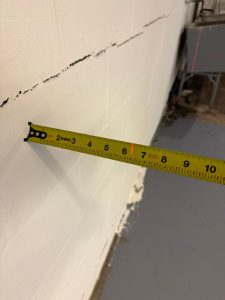
- Horizontal cracks along the wall
- Walls bowing inward more than 1–2 inches
- Water leaking through cracks
- Doors or windows in the basement becoming difficult to open
These are signs that structural pressure is increasing and the problem could worsen rapidly.
Get an Accurate Estimate Before Costs Increase
Bowing basement walls are a serious issue—but catching the problem early can save you thousands of dollars. The key is choosing the right repair method based on your home’s condition, not just the lowest price.
Schedule a free inspection today to get a professional assessment and a clear, accurate estimate for your home. Acting now can prevent more costly structural damage in the future.
Frequently Asked Questions
What is the cheapest way to fix a bowing wall?
Carbon fiber straps are typically the most affordable option, but they are only suitable for minor bowing and do not correct wall movement.
How long do bowing wall repairs last?
Most professional repairs, especially steel beams and wall anchors, are designed to last for decades and often come with long-term warranties.
Can a bowing wall collapse?
Yes. If left untreated, severe bowing can lead to wall failure. While collapse is not immediate in most cases, the risk increases over time.
